GameStop–eBay Takeover: What It Means for eBay Sellers (Now That a $56B Offer Is on the Table)
GameStop has made a $56B offer to acquire eBay. Here’s what that means for sellers, listing visibility, and how to stay competitive as the marketplace evolves.
May 4, 2026
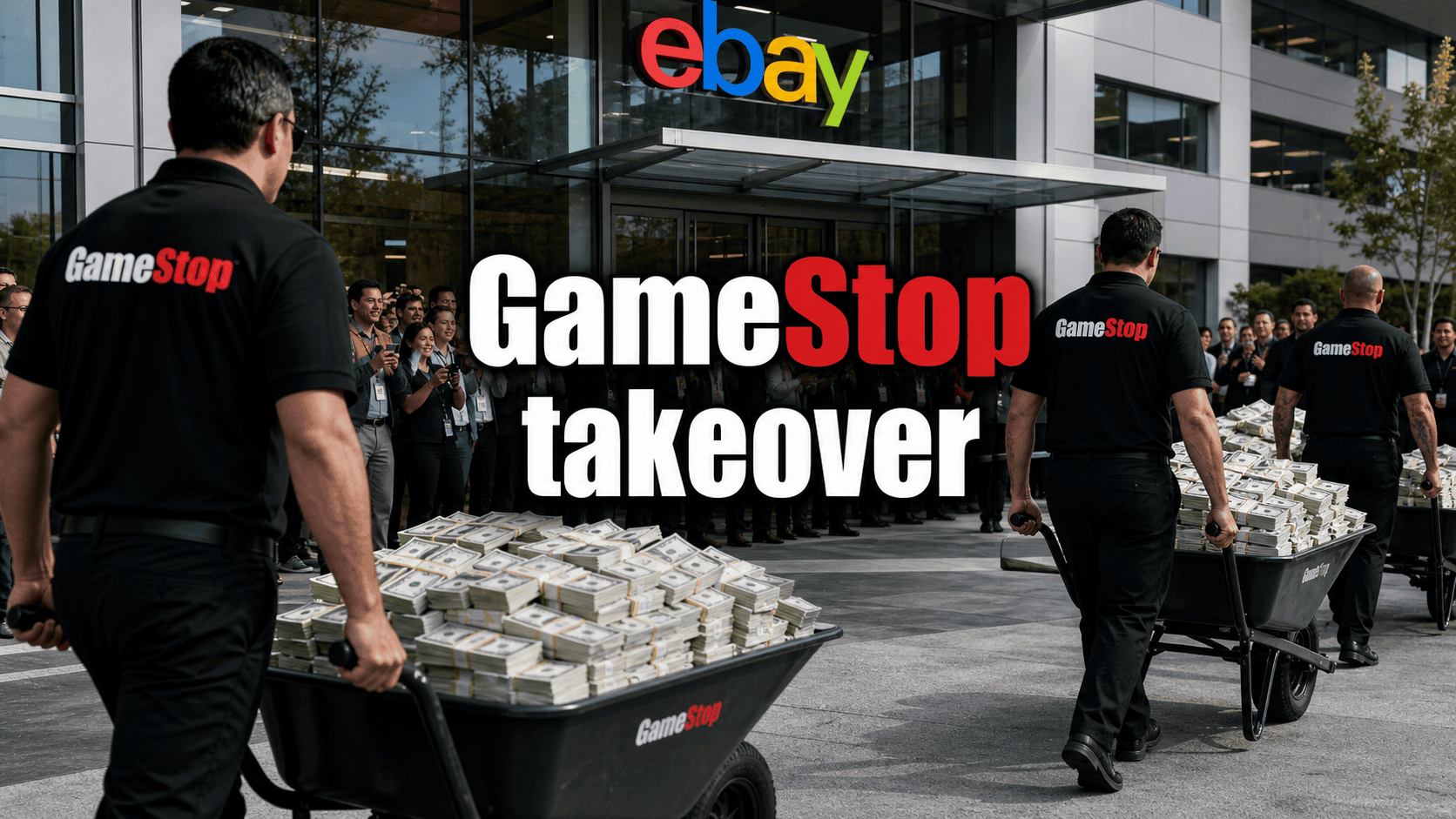
GameStop eBay Acquisition Offer: What It Means for Sellers, Listings, and Competition
This Is No Longer Speculation. GameStop has officially made an unsolicited offer to acquire eBay for approximately $56 billion, combining cash and stock and valuing eBay at around $125 per share, roughly a 20% premium. The company has already built a stake of about 5% in eBay and is prepared to take the offer directly to shareholders if the board does not accept it.
This is no longer a rumor or a theory. It is a real corporate move.
At the same time, there is no confirmed deal. eBay has not accepted the offer, and there is no guarantee this acquisition will go through. That distinction matters. But the existence of the offer alone is enough to shift how sellers should think about the marketplace going forward.
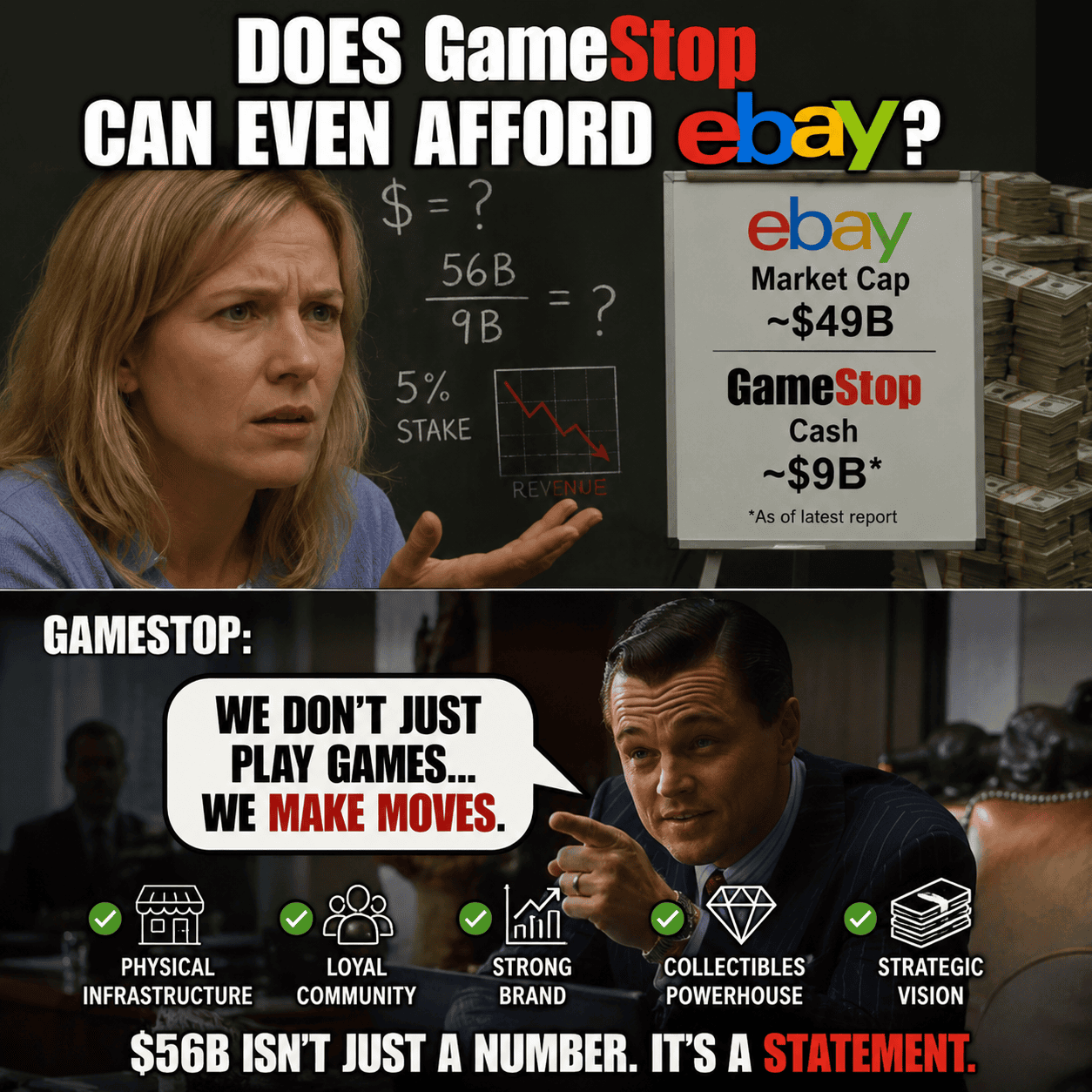
The Wrong Question eBay Sellers Are Still Asking
Most sellers are asking whether the merger will happen.
That question doesn’t help your store.
The real question is what happens to your listings if the marketplace becomes more competitive, more structured, and more active in a short period of time. Because that directly affects your visibility, conversions, and sales.
The offer simply accelerates a direction that was already underway.
What GameStop Is Actually Trying to Do
GameStop’s strategy is not random. The company is trying to reposition itself beyond physical retail by leaning into collectibles, trading cards, refurbished electronics, and more structured inventory systems. The stated goal behind the offer is to transform eBay into a stronger competitor to Amazon by combining physical infrastructure with marketplace scale.
That matters because it suggests a shift toward:
- more controlled inventory
- more consistent listing standards
- tighter pricing strategies
- potential integration of physical logistics and live commerce
Even if only part of that vision materializes, it introduces a different level of operational discipline into the marketplace.
The Only Scenario That Actually Affects eBay Sellers
There are multiple ways this could unfold. The deal could be rejected, it could turn into a partnership, or it could move forward into a full acquisition. Most of those scenarios do not immediately impact sellers.
The only scenario that matters is when stronger, more structured listings begin competing in your category.
At that point, the issue is not GameStop as a brand. The issue is how those listings behave. Consistent presentation, disciplined pricing, and continuous activity change the competitive baseline. That is what shifts visibility.
How eBay Actually Allocates Listings Visibility
eBay does not rank listings in isolation. Every listing exists inside a competitive system driven by performance. Click-through rate, conversion rate, and sales velocity determine how much exposure a listing receives.
This creates a feedback loop. Listings that perform well gain more visibility, which leads to more sales, which reinforces their position. Listings that perform poorly lose visibility, which reduces sales, which pushes them further down.
If stronger listings enter your category and outperform yours, your visibility declines even if you change nothing.
What Changes If Competition Becomes More Structured
The first shift is activity. Marketplaces reward listings that are updated, refreshed, and actively managed. When more sellers operate with structured systems, activity becomes a dominant signal.
The second shift is speed of decay. Listings that sit for ninety days without meaningful engagement already struggle today. In a more active environment, they lose traction faster. Visibility windows shrink, and passive inventory becomes harder to move.
The third shift is buyer expectation. Buyers adapt quickly. When they repeatedly see cleaner listings, clearer policies, and more consistent presentation, their tolerance for weak listings drops. That directly affects conversion, even if traffic stays the same.
The Problem Most eBay Sellers Already Have
Most eBay sellers are still operating with manual workflows. They rely on occasional relisting, static pricing, and inconsistent updates. That approach can maintain a store in a low-pressure environment, but it does not scale when competition improves.
The issue is not effort. It is structure.
Ending and Relisting Doesn’t Work the Way You Think
Many eBay sellers believe that ending and relisting a listing resets its performance and gives it a new chance to rank. In reality, the reset is limited.
You get a new item ID and a new listing age, but you re-enter the same competitive environment. Your listing is evaluated immediately based on how buyers respond. If it does not generate clicks or conversions, it stalls again.
Relisting does not fix a weak listing. It only reintroduces it.
What Actually Resets eBay Listings and What Doesn’t
Relisting resets technical elements such as item ID, listing age, and watcher count. What it does not reset is more important. Your price remains the same relative to competitors, your images remain as strong or as weak as before, and buyer perception does not change.
Most importantly, your ability to convert does not reset. That is why sellers who rely on relisting without making changes see the same results repeated.
The Real Shift: From Relisting to Listing Cycles
High-performing sellers do not treat relisting as a standalone action. They treat listings as part of a controlled cycle.
They identify stale inventory based on performance, apply targeted adjustments such as price or image improvements, and end listings in structured intervals to maintain consistent store activity. After a defined cooldown period, they relist using Sell Similar to create a cleaner re-entry.
This process introduces variation, maintains activity, and aligns listings with buyer behavior. It is not about resetting listings. It is about continuously improving them.
Why Price Movement Becomes More Important
Static pricing often signals stagnation, especially in large catalogs. Small, controlled price changes can re-engage buyers, test demand, and create the perception of activity.
In a more competitive environment, this becomes a key lever for maintaining both visibility and conversion.
Where Most eBay Sellers Will Lose
If competition increases, most sellers will fail in predictable ways. They will rely on manual relisting, fail to track stale inventory, keep prices static, and allow listing quality to remain inconsistent. Without a structured workflow, it becomes impossible to manage scale effectively.
These problems already exist. The difference is that they become more expensive under pressure.
Where the Advantage Moves
The advantage shifts toward sellers who operate with systems. Consistent activity, structured inventory refresh, dynamic pricing, and standardized listing quality create stability in a changing environment.
These sellers are not reacting. They are operating with control.
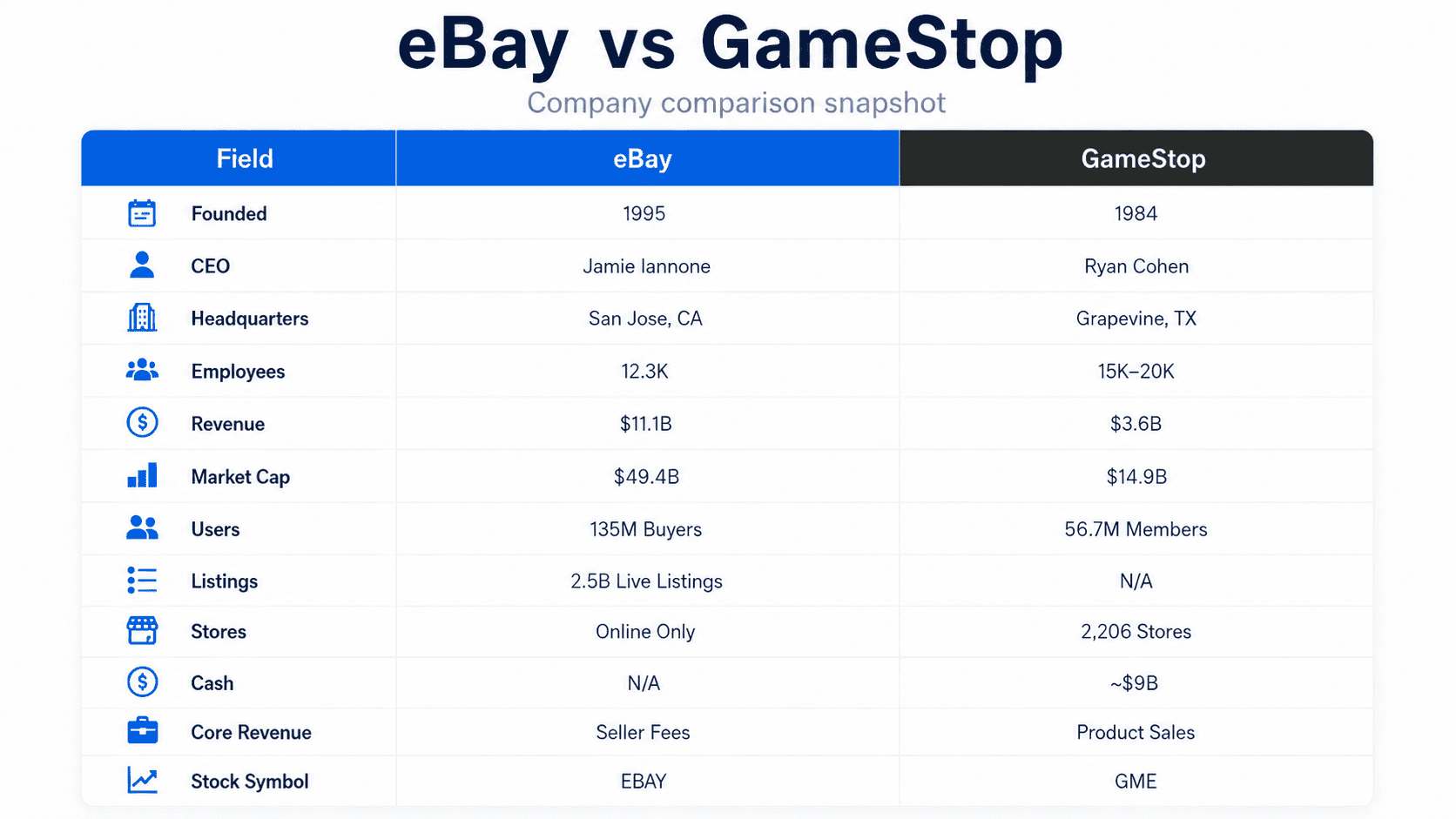
This Isn’t Really About GameStop
The offer is the trigger, not the core issue.
The real shift is already happening. The marketplace is moving toward higher activity, stronger competition, and more structured sellers. As that happens, weak listings disappear faster, passive sellers lose ground, and manual workflows stop working.
Ending and relisting alone is not a strategy. It is a tool. Without a system behind it, it produces inconsistent results.
Final Takeaway
You do not need this deal to go through to feel the impact.
The direction is already clear. Competition is improving, activity is increasing, and the gap between structured sellers and manual sellers is widening.
The sellers who adapt to that environment will grow. The ones who rely on outdated workflows will plateau.
The difference is not effort. It is how that effort is applied.
Common Questions eBay Sellers Are Asking About the GameStop $56B Takeover Offer
Is GameStop Actually Buying eBay, or Is This Just an Offer?
GameStop has made a real $56 billion unsolicited offer to acquire eBay and already holds about a 5% stake. However, the deal is not approved, and eBay has not accepted it. It could move forward—or fail entirely.
If GameStop Acquires eBay, Will It Affect My Listings or Sales?
Not immediately, but it could over time. GameStop’s plan is to improve efficiency and compete with Amazon, which could raise listing quality and competition. The real impact is that stronger listings get more visibility, weaker ones lose ground faster.
Should I Change My Strategy Right Now Because of This News?
No drastic changes are needed yet. But the direction is clear: competition is becoming more structured, and activity and conversion matter more. This move just confirms that trend.

by Alon Dostov

by Alon Dostov
Get More eBay Seller Updates
Follow MyListerHub as a preferred source on Google and see more of our eBay seller news, guides, and industry updates.